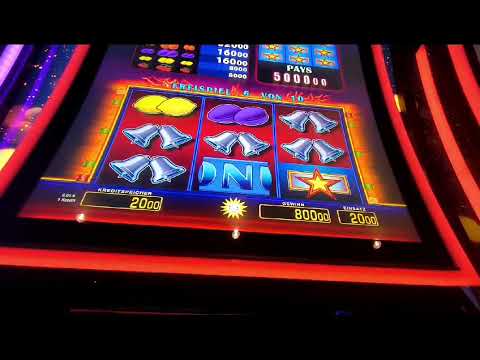
Grasping return to player (RTP) is one of the most valuable steps a casino player from Portugal can take before dedicating real money to a slot https://winstler-casino.pt/. RTP indicates the theoretical percentage of total wagers a game is designed to pay back over a huge number of spins. A slot with 96 percent RTP does not return 96 euros for every 100 euros wagered in a single session. Across millions of spins, the mathematical model moves toward that figure. At Winstler Casino, the slot library includes titles with a wide range of RTP values, and the way those games are displayed matters for anyone who wants to assess volatility, bonus frequency, and long-term cost of play. This analysis explores how RTP works, where to find it, which game types tend to provide stronger returns, and how Portuguese players can use that information without succumbing to common misconceptions about guaranteed outcomes or short-term results.
The way Slot RTP Really Determines and Its Importance
RTP represents a theoretical expectation embedded in the game engine, instead of a promise concerning your next deposit. When a provider certifies a slot at 96.5 percent RTP, that number is derived over billions of simulated spins. The remaining 3.5 percent constitutes the house edge, which finances the casino operation and the game licence. For a Portuguese player, the actual value of RTP comes from comparison. A game at 97 percent RTP entails less in theoretical terms than one at 94 percent, with identical bet size, session length, and spin frequency. Over 10,000 spins at one euro per spin, the difference in expected loss between those two games equals roughly 300 euros, even though short-term results can swing wildly in either direction.
RTP also interacts with volatility, which describes how winnings are distributed. A high-RTP slot with high volatility might yield long dry spells followed by large wins. A lower-RTP game with low volatility may generate frequent small payouts. At Winstler Casino, players should treat RTP as one input among several. The game’s hit frequency, maximum win cap, and bonus mechanics all affect the experience. RTP is most valuable when you plan to play for extended periods or want to reduce the theoretical cost of entertainment. It is less useful for a single session of 50 spins, where variance dominates the result. Understanding this distinction prevents the common error of expecting a 96 percent RTP slot to return 96 percent of your deposit tonight.
Above-average RTP Slot Categories Available at Winstler Casino
Some slot categories consistently offer higher average RTP than others. Classic three-reel slots often range between 95 percent and 97 percent because their simple paytables offer less room for intricate bonus deductions. Video slots with several bonus rounds, progressive jackpots, and licensed intellectual property tend to operate lower, sometimes between 92 percent and 95 percent, because a portion of each wager covers the jackpot pool or the licensing fee. At Winstler Casino, Portuguese players will discover both categories included, and the RTP spread is broad enough to benefit careful selection.
Some of the most favourable RTP values appear in games from providers such as NetEnt, Play’n GO, and Pragmatic Play. Titles like Blood Suckers, Book of 99, and Mega Joker have historically been promoted with RTP figures at or above 98 percent, though availability changes by market and operator configuration. Winstler’s library features many of these providers, but players should verify the particular RTP shown in the game rules rather than counting on memory of a title’s reputation. Progressive jackpot slots are a distinct case. Their base RTP is often lower, but the jackpot contribution introduces a distinct layer of expected value that grows as the prize pool increases. For players chasing life-changing wins, a lower base RTP may be reasonable. For players focused on maximizing playtime, non-progressive high-RTP slots are the superior choice.
Evaluating Winstler Slot RTP versus Industry Averages
The online slot industry average RTP stands from 95 percent and 96 percent for most regulated markets. Some jurisdictions impose minimum RTP requirements, but Portugal’s gaming regulator, the Serviço de Regulação e Inspeção de Jogos, concentrates more on technical certification and player protection than on requiring a specific RTP floor. As a result, the RTP range at Winstler Casino corresponds to the broader European market. Players can anticipate to find many games from 95 percent and 96.5 percent, a smaller number above 97 percent, and a significant group below 95 percent, particularly among progressive jackpots and branded titles.
What differentiates Winstler apart is not a uniformly high RTP across every game, but the scope of the catalogue. Portuguese players can transition between low, medium, and high RTP titles based on their goals. A player chasing a progressive jackpot tolerates a lower base RTP for the chance at a pooled prize. A player working through a wagering requirement on a bonus should prioritise high-RTP slots to maintain the bonus balance. A player after pure entertainment might select a high-volatility game regardless of RTP. The key is that Winstler’s library caters to all three strategies, and the RTP information is available for those who make the time to look. No casino can promise wins, but a casino that renders RTP accessible provides players the tools to make informed choices.
Special Features and Their Influence on Slot RTP
Extra features do not always raise a slot’s RTP. Many bonus rounds are financed by lowering the base game payout. A slot might pay 60 percent RTP in the main game and 36 percent through the free spins feature, amounting to 96 percent. This structure means users who never activate the bonus round encounter a significantly reduced effective payout in that session. At Winstler Casino, understanding this mechanic helps gamblers in Portugal choose games that match their risk tolerance. If you like stable base game victories, look for slots with a good base-game win frequency rather than a big focus on uncommon bonus activations.
Some extra features truly enhance the player’s anticipated value when employed properly. Buy bonus options, if offered, allow players pay for direct entry into the free spins bonus for a fixed multiple of the bet. The RTP of the bonus game itself can be greater than the entire game RTP, but the buy-in cost must be considered. In Portugal, bonus purchase features are subject to regional regulatory rules, and Winstler may disable them for accounts in Portugal. Other elements such as spreading wilds, multipliers, and falling reels alter the spread of wins without inevitably modifying the total RTP. The main point is that a flashy bonus round does not equal a high-paying game. Always review the declared RTP in the game instructions, not the promotional description.
RTP and Bankroll Management for Portuguese Players
RTP becomes a effective tool when paired with structured bankroll management. A player with a 100 euro budget who picks a 97 percent RTP slot at one euro per spin can anticipate, on average, to drop about three euros per 100 spins in theoretical terms. The same budget on a 93 percent RTP slot has a theoretical loss of seven euros per 100 spins. That four-euro difference accumulates over thousands of spins and directly affects how long a session lasts. For Portuguese players who consider slots as paid entertainment, selecting higher RTP games is the single most effective way to cut the hourly cost of play without altering bet size or session frequency.
Bankroll management also involves setting loss limits and win goals before starting. RTP does not shield against variance, so even a 98 percent RTP slot can produce a losing streak of 200 spins. A sensible approach is to split the bankroll into smaller session amounts and stop when a session limit is reached. At Winstler Casino, responsible gambling tools such as deposit limits, loss limits, and reality checks reinforce this discipline. Players should see RTP as a long-term cost indicator, not a short-term prediction. Combining high-RTP game selection with strict session limits provides Portuguese players the best chance of appreciating slots without exceeding what they can afford to lose.
The way RTP Is Calculated and Certified for Online Slots
Slot RTP is defined by the game’s random number generator and the paytable structure. Each symbol combination has an designated probability, and each winning combination has a payout value. The RTP is the sum of all possible outcomes multiplied by their probabilities. Independent testing laboratories such as eCOGRA, iTech Labs, and GLI examine these calculations before a game is released to regulated markets. They check that the RNG produces unpredictable results and that the declared RTP matches the mathematical model. For Portuguese players, this certification process matters because it differentiates licensed casino games from unregulated software where payout percentages could be adjusted.
At Winstler Casino, the slot catalogue derives from established providers that display RTP values for their games. Some providers create multiple RTP versions of the same title, allowing operators to select a 94 percent, 95 percent, or 96 percent configuration. This means the same slot name can have different RTP depending on where you play. Portuguese players should review the game information page inside the casino lobby, which typically provides the exact RTP for the version offered at Winstler. If the information is not visible in the game client, the provider’s official website is a trustworthy secondary source. Certification does not ensure a specific return in any session, but it does assure that the game operates within the stated mathematical parameters over the long run.
Where to Find RTP Information for Winstler Slots
Locating the RTP for a particular slot at Winstler Casino typically takes less than a minute if you know where to look. Most modern slots feature an information button, often marked with an “i” or a question mark, inside the game client. Pressing that button displays the paytable and rules screen, whereby the theoretical return to player is listed as a percentage. Some providers locate the RTP in a separate help menu or a settings tab. If the RTP is not shown in the game itself, the provider’s official website lists the default RTP and any operator-specific variants.
Portuguese players are also advised to check the Winstler Casino promotions page and game filter tools. Some casino platforms allow sorting or filtering by RTP, though this is not universal. If the filter is missing, a practical method is to shortlist games from providers recognized for high-RTP releases and then confirm each title individually. Independent slot review sites and provider press releases are valuable cross-references, but they might not reflect the exact version used at Winstler. When in doubt, contact customer support and inquire about the certified RTP of a specific game. Licensed casinos are obligated to provide this information upon request, and a refusal or vague answer is a warning sign. RTP transparency is a standard expectation in regulated online gambling.
Common RTP Myths That Affect Portuguese Players Money
Multiple persistent myths about slot RTP cause players to make poor decisions. The first is that a slot is “due” to pay because it has been unprofitable for a long time. RNG-based slots have no memory, and each spin is separate. A game at 96 percent RTP can run below 50 percent for a thousand spins and then produce a massive win that restores the average. Hunting losses on a cold game because you think it must turn around is a fast way to deplete a bankroll. The following myth is that stopping the reels manually or changing bet size alters the RTP. These actions change the timing of the spin, not the underlying mathematics. The RNG determines the outcome the moment the spin begins.
A additional myth is that casinos can adjust RTP in real time to punish winning players. Licensed operators cannot change certified game files without going through a new certification process. The RTP is fixed in the game software and cannot be changed remotely by the casino. A fourth myth is that higher bets activate better RTP. Some slots do present a slightly different RTP at maximum bet due to progressive jackpot eligibility, but this is infrequent and always revealed in the game rules. Portuguese players should regard any RTP claim that promises short-term results as false. RTP is a long-run mathematical property, and no strategy can overcome the house edge on a negative-expectation game.
Nejčastější otázky
What RTP is considered good for an online slot?
A favorable RTP for an online slot is 96 percent or above. The industry average falls between 95 percent and 96 percent, so anything exceeding that range provides a lower theoretical house edge. Games between 96.5 percent and 98 percent are considered high RTP. Nevertheless, RTP is merely one consideration. Volatility, bonus frequency, and your own session length all affect the actual outcome. At Winstler Casino, examine each game’s information screen to view the precise RTP for the version available to Portuguese players.
Does Winstler Casino display RTP for every slot?
The majority of slots at Winstler Casino show RTP within the game client, typically under the information or help menu. Some providers locate it in the paytable area or a distinct rules page. If you cannot locate the RTP for a given game, contact Winstler customer support and request the verified figure. Licensed casinos are obligated to offer this information. The RTP displayed pertains to the specific game version used at Winstler, which may vary from the default version listed on a provider’s website.
Can I win more by choosing high RTP slots at Winstler?

High RTP slots cut your expected long-term loss compared with lower RTP games, but they don’t guarantee more wins in any single session. Variance dominates short-term results, so a 98 percent RTP slot can still generate a losing streak. Over thousands of spins, high RTP games amount to less on average. For Portuguese players who play regularly, choosing high RTP slots is a practical way to lengthen playtime and cut the expected cost of entertainment. Combine this with strict bankroll limits for the best practical outcome.
Are progressive jackpot slots at Winstler lower RTP?
Yes, progressive jackpot slots usually have a lower base RTP than non-progressive games. A portion of every wager feeds to the growing jackpot pool, which reduces the amount returned through regular payouts. The base RTP may be 92 percent to 94 percent, while the jackpot contribution adds a separate expected value that expands as the prize rises. If you go after a progressive jackpot, accept the lower base return. If you want to maximize playtime, choose non-progressive slots with RTP above 96 percent.
Does changing my bet size impact slot RTP at Winstler?
Modifying your bet size does not alter the RTP of a slot. The return to player percentage is computed across all possible bet levels and stays the same. The only exception is when a game includes a special feature, such as a progressive jackpot, that is only available at maximum bet. In those cases, the game rules will clearly state that the RTP is different at certain bet levels. For standard slots at Winstler Casino, the RTP is the same whether you bet 0.10 euros or 10 euros per spin.
In what way does volatility connect to RTP in Winstler slots?

Volatility describes how winnings are distributed, while RTP indicates the total percentage returned over time. A high-volatility slot can have the same RTP as a low-volatility slot but deliver wins in a completely different pattern. High volatility implies long dry spells followed by large payouts. Low volatility means frequent small wins. At Winstler Casino, a high-RTP, high-volatility game can still exhaust a small bankroll quickly because the big wins are rare. Tailor volatility to your budget and patience level, not just RTP.
Is RTP data required by Portuguese gambling regulations?
Portuguese gambling regulations mandate that all games provided by licensed operators are certified by approved testing laboratories. This certification covers verification of the RTP and the random number generator. The regulator does not mandate a minimum RTP, but it does require that the game functions exactly as certified. Winstler Casino, as a licensed operator serving Portuguese players, must offer games that meet these technical standards. Players can request RTP details from the casino, and the information should be correct and verifiable.